HABA First Orchard is the toddler co-op pick: ages 2+, 1-4 players, about 10 minutes, $29.99 on Amazon when checked Nov. 5.
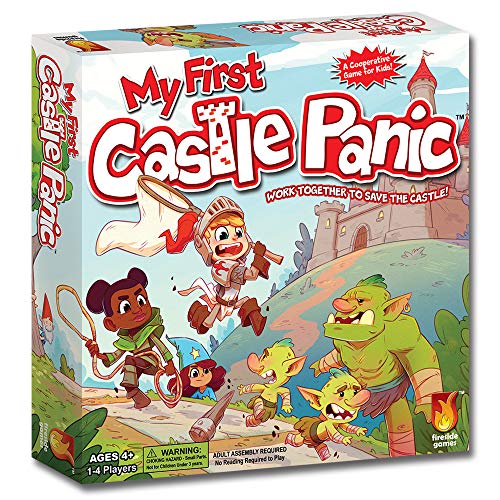
Mid-kid co-ops on the list include My First Castle Panic, Zombie Teenz Evolution and The Crew: Family Adventure.
Older-kid/adult co-ops include Forbidden Desert, Horrified and two-player Sky Team (ages 12+).
In a cooperative game, everyone at the table plays on the same team against the game itself, so a 5-year-old and a grandparent win or lose together. That makes co-op games a good fix for game nights that end in tears, and for mixed ages over Thanksgiving and winter break. Here are seven, ordered from toddler to teen, with prices and stock checked on Amazon on Nov. 5, 2026.
Quick picks: Toddlers: First Orchard. Ages 4 to 8: My First Castle Panic. Ages 8+: Zombie Teenz Evolution or The Crew: Family Adventure. Ages 10+: Forbidden Desert or Horrified. Two players, 12+: Sky Team.
Players roll a color die and pick matching wooden fruit from the trees, trying to fill their baskets before the raven reaches the orchard. It is HABA's classic first board game, with 16 chunky wooden fruits made in Germany, and it practices colors, counting and taking turns. HABA's own shop lists it at $29.99, the same as Amazon on Nov. 5.
Pros: Big wooden pieces sized for 2-year-olds; very short rules; everyone celebrates together. Cons: Simple enough that most kids outgrow it by 4 or 5; $30 is a lot for a 10-minute game.
A preschool version of the tower-defense game Castle Panic. Kids match colors and shapes to move, capture and clear silly monsters before they reach a standing castle. There is no reading, and most games end in about 20 minutes.
Pros: No reading needed; a 3D castle makes the goal obvious; short enough for preschool attention spans. Cons: Strategy is light for adults; kids who like bigger battles will outgrow it.
Players work together to fight off cartoon zombies, and the rules are easy to teach. As you finish special missions, you put stickers in the rulebook and open 14 sealed envelopes that add new rules and content, so the game changes the more you play. It can also be combined with the earlier Zombie Kidz Evolution.
Pros: Unlocking envelopes keeps kids asking for "one more"; quick 15-minute rounds; parents stay engaged. Cons: Stickers and envelopes mean it changes for good, so siblings can't restart from scratch; zombie theme isn't for every child.
4. The Crew: Family Adventure — Marooned in Paradise (Kosmos)
A family version of The Crew trick-taking card game. The table works together through 35 missions on a desert island, searching for supplies and battling pirates, and a new illustrated board shows progress and helps plan the next move. Power-ups help when a mission gets tough.
Pros: The cheapest pick here; teaches trick-taking, the skill behind Hearts and Spades; 35 missions last many nights. Cons: Needs at least 3 players; trick-taking is new to many kids and takes a round or two to click.
From the designer of Pandemic and Forbidden Island, Matt Leacock: the team digs through the ruins of an ancient desert city to recover the four parts of a legendary flying machine and escape before the sandstorm and heat win. The board of 24 tiles shifts as the storm moves, and each player manages their own supplies.
Pros: Real teamwork decisions; a shifting board makes every game different; plays up to 5. Cons: 45 minutes is long for younger siblings; the storm can feel punishing on the first try.
Players defend their town from seven classic movie monsters, including Dracula, Frankenstein and the Mummy. Each monster is a different challenge to beat, so every game plays differently. The box has a game board, seven monster figures, 75 cards and three dice.
Pros: Can be played solo; high replay value with 7 different monsters; a good fit for kids who love spooky stories. Cons: The priciest pick and the longest game; monster art may scare younger kids.
A two-player co-op dice game about landing an airliner. The pilot and co-pilot plan together, then roll dice in secret and trust each other to handle speed, wing level, air traffic and brakes before the plane reaches the runway. It has 20 real airport scenarios and optional modules such as ice on the tarmac.
Pros: Great for a parent and teen, or two grandparents; 20 scenarios; small box for travel. Cons: Two players only; secret dice rolls mean trusting your partner, which takes practice; rated 12+.
How to pick: Choose by the youngest player who will really play, then check the time. Under-5s do best with games that end in 10 to 20 minutes. For ages 8 and up, games that change as you play (Zombie Teenz, The Crew) hold interest longest. If your family also likes guessing games, see our hidden-identity and deduction games, and for grandparents, card games every generation can win.
How we picked: Every game here is fully cooperative and was in stock on Amazon on Nov. 5, 2026. We left out games covered on TDmonthly in the last two weeks. Ages, player counts and play times are from the Amazon listings and the makers' own pages.
Free to join on Substack; a paid plan is optional. Unsubscribe anytime.
Writer's Bio: Michael Felix Baines writes about board games, card games and puzzles for TDmonthly, along with the weekly toy industry jobs roundup. For games, he looks at setup time, how the rules land with new players and whether a game holds up after a few rounds. For jobs, he gathers open roles from toy companies and retailers into one easy list, with links straight to each posting. Read more articles by this author





 Writer's Bio: Michael Felix Baines writes about board games, card games and puzzles for TDmonthly, along with the weekly toy industry jobs roundup. For games, he looks at setup time, how the rules land with new players and whether a game holds up after a few rounds. For jobs, he gathers open roles from toy companies and retailers into one easy list, with links straight to each posting.