Crafts are growing, sensory toys are booming, and the Nuremberg toy fair Spielwarenmesse named “Creative Mindfulness” a 2026 trend. Here is what Creativity for Kids, PlayMais and Sentosphere are putting on the shelf.
By Laura N. Larsson · November 2026 · Facts checked Nov. 1, 2026
Disclosure: This is free editorial. No company named here paid for this article, sent samples or was interviewed for it, and nothing here is a quote from any of them. We have not play-tested these products. Company facts come from each company’s own website or public filings; market and tariff facts come from the sources listed at the end. Everything was checked on Nov. 1, 2026. Some companies named here have advertised with ToyDirectory.com or TDmonthly in the past; that did not affect this coverage.
Sometimes a quiet toy wins. U.S. arts and crafts sales rose 20% from January through June 2026, according to Circana, which says the gains came in dollars, units and price. Sensory toys are doing even better: Circana says squishy toys grew by triple digits through April, helped along by social media.
The organizers of Spielwarenmesse, the toy fair in Nuremberg, Germany, have a name for this: “Creative Mindfulness,” one of their ToyTrends for 2026. Their trend article describes “a growing longing for the real, the tangible, and the handmade,” with crafting as a calm break from hectic days.
The numbers
Arts & crafts, January–June 2026: +20%
Squishy toys, January–April 2026: triple-digit growth in dollars and units
All U.S. toys, January–June 2026: +17%
Sources: Circana, June 15 and Aug. 12, 2026.
Creativity for Kids: sensory crafts under $10
Creativity for Kids, part of Faber-Castell USA, sorts its line on its website into Sensory, Grow, Craft and Fashion. Its “Craft Kits under $10” page listed 56 products when we checked. They included Sensory Minis (Construction, Panda and Capybara) at $6.99, Sensory Surprise kits (Ocean and Unicorn) at $9.99, and a Friendship Bracelets Mini Kit at $6.99. Those are prices on fabercastell.com on Nov. 1, 2026. At that price, a sensory toy is an impulse buy at the register.
PlayMais: building blocks made from corn
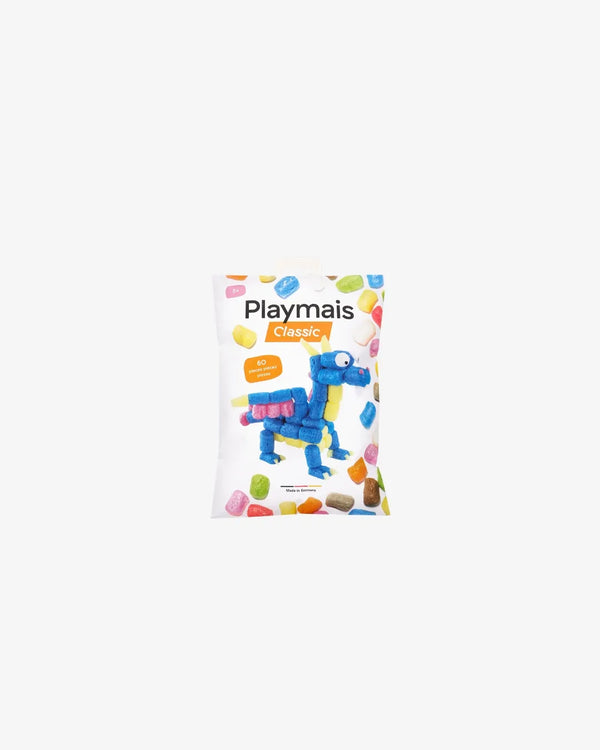
PlayMais pieces are made mostly from corn grits, the company says, and they stick together with a little water instead of glue. Its newest Pocket Classic sets (Dragon, Lion, Digger and Flower) each have 60 pieces and are rated for ages 5 and up. They sell for €2.99 on the company’s German web shop. PlayMais says it gets its corn mainly from Germany and the EU, describes the material as plastic-free, and warns that the pieces are not for children under 3 because of small parts. The Spielwarenmesse trend article also uses PlayMais as an example, for creative building for kids 3 and up.
Sentosphere: a cosmetics lab and watercolors from Paris
Paris-based Sentosphere’s new-products page includes Crèmes et Senteurs, a €35 kit for ages 10 and up. Kids measure out plant oils, scent and an emulsifier to make real body cream in under a minute. Also new are Bombes de Bain (bath bombs, €35), Aquarellum Voyage en Asie (€16.95) and a series of artist palettes. Many items on the site carry a “Fabriqué en France” (made in France) badge. Its own web shop ships only within mainland France and Corsica, so U.S. stores would need to go through a distributor.
Make-it-yourself cosmetics fit with Circana’s finding that teens were the fastest-growing group of toy recipients in early 2026.
Tariff check (as of Nov. 1, 2026)
On July 24, 2026, the U.S. Trade Representative put new Section 301 tariffs on goods from 60 economies. There are three tiers:
10% for economies including Canada, Mexico, India, Indonesia, Malaysia and the U.K.
10% or 12.5%, net of the normal (MFN) duty for certain products of the European Union and Taiwan (topped up to 10% in total) and of Japan, South Korea and Switzerland (topped up to 12.5% in total).
12.5% for the other investigated economies, which include China, Hong Kong and Vietnam.
The duty follows the country where a toy is made, not where the brand has its head office. Some products are exempt; the exemptions are listed in the annexes to the notice.
For crafts made in Germany, France or elsewhere in the EU, the new tariff brings the total duty to 10% if the normal duty is below 10%. If the normal duty is already 10% or more, it adds nothing. Kits made in China fall in the 12.5% tier.
China relief is not a rate yet. On Sept. 27 the U.S.-China Board of Trade published lists of goods recommended for reduced tariffs, and USTR said the Chinese imports involved include household goods and toys. The White House text says the two sides will “consider” the lists consistent with their own laws and processes. A Covington & Burling trade alert (Oct. 5) notes that USTR must first run a notice-and-comment process, which could take several months. At our Nov. 1 check, USTR had not announced a new, lower rate for toys from China. Other duties can also apply to some products from China on top of the July tariffs.
What to do with this
Price in three steps. Under $10 for impulse buys, a mid-price kit for gifts, and a premium “real result” kit (like homemade cream) for tweens and teens.
Put out a demo. A dish of corn blocks and a damp sponge on the counter shows how they work faster than any sign.
Use the calm-play angle. Parents looking for screen-free downtime are the customers this trend is about.
Check the made-in label. European-made crafts and Asian-made crafts now carry different tariffs.
Tariff information is general news, not legal or customs advice. Rates depend on each product’s classification and country of origin; check with a licensed customs broker before you price an order.
Free editorial: No company named here paid for this article.
Free toy industry news by email
New toys, trends and industry news from The ToyDirectory Intelligence Report.
Free to join on Substack; a paid plan is optional. Unsubscribe anytime.
Writer's Bio: Driven by a fascination with how young people learn, grow, and connect, Laura N. Larsson has spent years researching the role of play and social media in child and adolescent development. Since 2012, she has combined her ecommerce background with in-depth interviews of children and teenagers, producing insightful articles that explore the evolving interplay between play, communication, and online interaction. Read more articles by this author



 Writer's Bio: Driven by a fascination with how young people learn, grow, and connect, Laura N. Larsson has spent years researching the role of play and social media in child and adolescent development. Since 2012, she has combined her ecommerce background with in-depth interviews of children and teenagers, producing insightful articles that explore the evolving interplay between play, communication, and online interaction.